
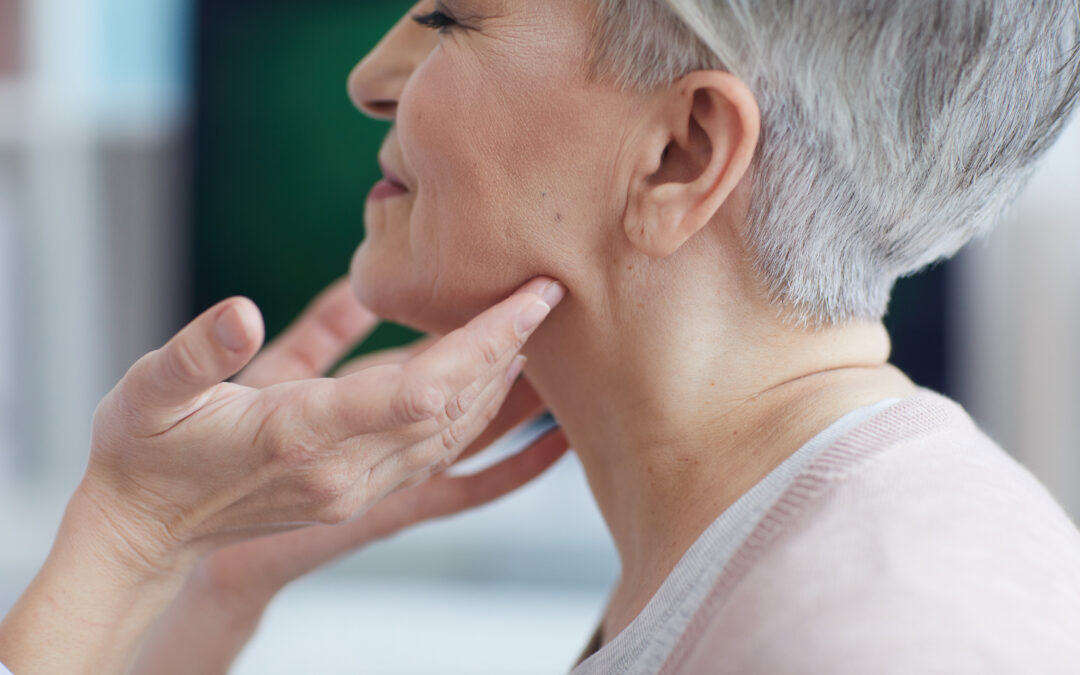
Botox vs dermal fillers: Find out whether smoothing wrinkles, volume restoration, fuller lips, or facial rejuvenation is right for your goals. Schedule a consultation today.
Botox softens lines from repeated facial movements; fillers restore volume, smooth deeper folds, or enhance contours. At Forsyth Plastic Surgery, we help patients choose the option that best fits their anatomy, goals and comfort to achieve natural, balanced results.
Botox and fillers are popular non-surgical treatments, but they work in very different ways. One relaxes movement. The other adds support or fullness beneath the skin. Knowing how they differ provides the foundation for making the best choice and sets the stage to explore each option in more detail.
Botox vs Fillers: Quick Comparison
| Category | Botox | Dermal Fillers |
| How it works | Temporarily relaxes targeted facial muscles | Adds volume, structure, or support beneath the skin |
| Best for | Movement-related lines | Volume loss, folds, contouring, and enhancement |
| Common areas | Forehead wrinkles, frown lines, and crow’s feet | Cheeks, lips, smile lines, under-eye hollows and jawline |
| Results timeline | Begins to appear in a few days, with full results around 1 to 2 weeks | Often visible right away, though swelling may temporarily affect the final look |
| How long it lasts | Often about 3 to 4 months | Often 6 to 18 months depending on the product, area, and metabolism |
| Main goal | Smoothing wrinkles caused by movement | Volume restoration, facial contouring, and softening deeper lines |
| Recovery time | Usually minimal | Usually minimal, though swelling or bruising may last longer in some areas |
| Can they be combined? | Yes | Yes |
What Is Botox?
Botox is a neuromodulator, which means it works by temporarily relaxing specific facial muscles. These muscles create expression lines when you smile, squint, frown, or raise your eyebrows. Over time, repeated movement can make lines more noticeable. Botox is often used for: Forehead wrinkles, Frown lines between the eyebrows, Crow’s feet near the corner of your eye, Bunny lines on the nose, Chin dimpling.
Botox does not add volume or create fuller lips. Instead, it softens movement-induced wrinkles so the skin appears smoother.
For patients who want smoother skin without looking frozen, conservative placement is key. The goal is not to erase expression but to soften lines while preserving natural facial movement.
What Are Dermal Fillers?
Dermal fillers are injectable treatments used to restore volume, support facial structure, or enhance specific areas. Many dermal fillers are made with hyaluronic acid, a substance found naturally in the body that helps the skin retain moisture and fullness.
Fillers may be used to address:
- Cheek volume
- Under-eye hollows
- Nasolabial folds, also called smile lines
- Laugh lines around the mouth
- Fuller lips
- Lip shape and definition
- Jawline or chin contour
- Facial volume loss after aging or weight loss
Unlike Botox, fillers add structure beneath the skin. They soften folds, contour the face, and restore a youthful appearance when volume decreases.
Lip fillers are common. Filler may provide subtle hydration, natural shape, or visible fullness, depending on your goals. Results should fit your features, not overpower them.
Key Differences Between Botox and Dermal Fillers
The biggest difference between Botox and dermal fillers is what they treat.
Botox is best for dynamic wrinkles. These are lines caused by muscle movement, such as crow’s feet that show when you smile or forehead wrinkles that appear when you raise your eyebrows.
Fillers are best for static wrinkles and volume loss. These are lines, folds or hollow areas visible even when your face is relaxed. For example, fillers may be used to address smile lines, increase cheek volume, reduce under-eye hollows, or achieve fuller lips.
A simple way to think about it:
If a facial line appears mainly when you move your face, Botox is typically more appropriate. If the concern is loss of volume, facial hollowness, or contour changes that are present even when your face is at rest, filler is typically the more suitable option. When patients experience both dynamic wrinkles and volume loss, a combination plan that addresses multiple concerns may be most effective.
When Should You Choose Botox?
Choose Botox to soften expression lines while maintaining a natural appearance. It’s often used to treat crow’s feet, forehead wrinkles, or frown lines before they worsen.
Botox may be helpful if your concerns include:
- Lines that appear when you smile, squint or frown
- Forehead wrinkles caused by repeated movement
- Crow’s feet around the eyes
- Early fine lines and wrinkles
- A tired or tense look caused by muscle contraction
Botox can be part of a broader skincare plan. It may pair well with facials, chemical peels or laser treatments, depending on your skin’s needs.
When Should You Choose Fillers?
Choose fillers for volume restoration, contouring, or enhancement in areas that have lost fullness — such as flatter cheeks, thinner lips, or deeper folds.
Fillers may be helpful if your concerns include:
- Loss of cheek volume
- Under-eye hollows or dark circles related to volume loss
- Smile lines or nasolabial folds
- Thin lips or lips that lack definition
- Facial changes after weight loss
- A desire for fuller lips or a natural lip enhancement
- Contouring the face without surgery
Fillers support a more youthful look but require care. Excess filler can look unnatural; the best results come from conservative, careful placement.
Can Botox and Fillers Be Combined?
Yes, Botox and fillers can be combined. In fact, many patients benefit from both, as facial aging often involves multiple concerns.
For example, Botox may be used to relax crow’s feet and forehead wrinkles, while filler may restore cheek volume or soften smile lines. Together, they can support full-face rejuvenation without relying on a single treatment to address every issue.
Combination treatment does not always mean doing everything at once. Some patients prefer a gradual plan. Your provider may recommend starting with one treatment, then reassessing your results before adding another.
Botox and Filler Results Timeline
Botox results are not immediate. Most people notice softening within a few days, with full results in 1 to 2 weeks.
Filler results are usually immediate, but swelling may make treated areas look fuller at first, especially lips. As swelling settles, results appear softer and more natural.
Both treatments have minimal recovery time, but you may experience temporary redness, swelling, tenderness, or bruising at injection sites. Your provider will explain what to expect after treatment.
How Long Do Botox and Fillers Last?
Botox usually lasts about three to four months, but the duration varies by patient and area. Regular maintenance helps keep results consistent.
Dermal fillers typically last longer, but duration depends on the product and placement. Areas with more movement, like lips, may see faster fading than cheeks. Many hyaluronic acid fillers last months to a year or more.
Your provider can help you understand what to expect based on your treatment plan.
Botox vs Fillers Cost Comparison
Botox is usually priced by unit; filler is priced by syringe. Needed amounts vary, so discuss costs during consultation.
Botox may cost less per visit but requires more frequent maintenance. Fillers cost more upfront and often last longer. Choose based on your needs, not just price.
Side Effects and Safety
Common side effects of Botox and fillers include temporary redness, swelling, bruising, tenderness, or mild discomfort at the injection site. Fillers may also cause temporary firmness or swelling, especially in the lips.
Serious complications are rare but possible, so choose an experienced provider. Injectables require knowledge of facial anatomy, product selection, dosing, and safe placement.
Do not choose a provider based only on cost. Your face deserves careful planning, quality products, and a skilled medical team.
Will Botox or Fillers Look Natural?
Many patients worry about natural-looking results. This depends more on technique than on product.
Botox should soften movement without erasing expression. Fillers restore balance or enhance features without overfilling. The goal is smoother skin, gentle volume, or subtle contour — not a dramatic change.
At Forsyth Plastic Surgery, injectable treatments are approached with balance, proportion and patient education in mind.
How to Choose the Right Provider
Choose a provider who understands facial muscles, skin quality, structure, and safe injections.
During your consultation, your provider should ask about your goals, evaluate your face at rest and in motion, explain your options, and discuss realistic results. You should feel comfortable asking questions and not feel pressured into treatment.
A good injectable plan is personalized. It should reflect your features, comfort, maintenance, and long-term goals.
Botox vs Fillers FAQs
What is the difference between Botox and dermal fillers?
Botox relaxes targeted facial muscles to soften movement-related wrinkles. Dermal fillers add volume, support, or contour beneath the skin to address hollowing, folds, or volume loss.
Is Botox or filler better for smoothing wrinkles?
It depends on the wrinkle type. Botox works best for movement-related wrinkles, such as crow’s feet and forehead lines. Fillers work best for deeper lines visible at rest.
Can fillers help with volume restoration?
Yes. Dermal fillers are often used for volume restoration in areas such as the cheeks, lips, under-eye hollows, or smile lines.
Can Botox and fillers be used for full-face rejuvenation?
Yes. Botox and fillers may be combined for full-face rejuvenation when a patient has both movement-related wrinkles and volume loss. Your provider can recommend whether one or both treatments make sense.
Will lip fillers give me a natural lip shape?
They can, when placed conservatively and carefully. Lip fillers can support hydrated lips, subtle definition, symmetry, or fuller lips while still preserving a natural lip appearance.
Can Botox treat crow’s feet?
Yes. Botox is commonly used to treat crow’s feet near the outer corners of the eyes. It relaxes the small facial muscles that create lines when you smile or squint.
Are fillers helpful for under-eye hollows or dark circles?
Fillers may help under-eye hollows when volume loss is the main issue. However, dark circles can have several causes, so a consultation is important before choosing treatment.
How much recovery time do Botox and fillers require?
Most patients return to normal daily activities quickly. Temporary swelling, redness, or bruising can occur, especially after filler.
Are Botox and fillers part of skin care?
They can be part of a broader aesthetic plan, but they do not replace good skin care. Treatments such as facials, chemical peels, or laser treatments may be recommended for rough skin, dry skin, pigmentation concerns, or skin texture.
How do I know which injectable I need?
The best way to decide is to schedule a consultation. Your provider can evaluate your facial movement, volume, skin quality, and goals to determine whether Botox, fillers, or a combination approach is right for you.
Schedule a Consultation
Not sure whether Botox, fillers, or a combination approach is right for you? Schedule a consultation with Forsyth Plastic Surgery to talk with an experienced provider, review your goals and create a personalized plan designed to help you look refreshed, balanced and natural.