Breast augmentation recovery is an important part of planning breast surgery, and understanding each step can help you feel more confident before your procedure. At Forsyth Plastic Surgery, our board-certified plastic surgeons explain the healing process, answer your questions and help you prepare for the days and weeks after surgery.
While every patient heals differently, most can expect initial recovery to last one to two weeks, with continued healing over the next four to six weeks. Changes, such as implant settling, scar fading, and the final breast shape, can persist for several months. The best recovery starts with realistic expectations, clear post-op instructions and a surgical team you trust.
Find out what to expect during breast augmentation recovery, including healing stages, boob job recovery tips, post-op care, recovery after breast augmentation under the muscle, ways to reduce swelling, and guidance for a safer, smoother recovery.
What to Expect After Breast Augmentation
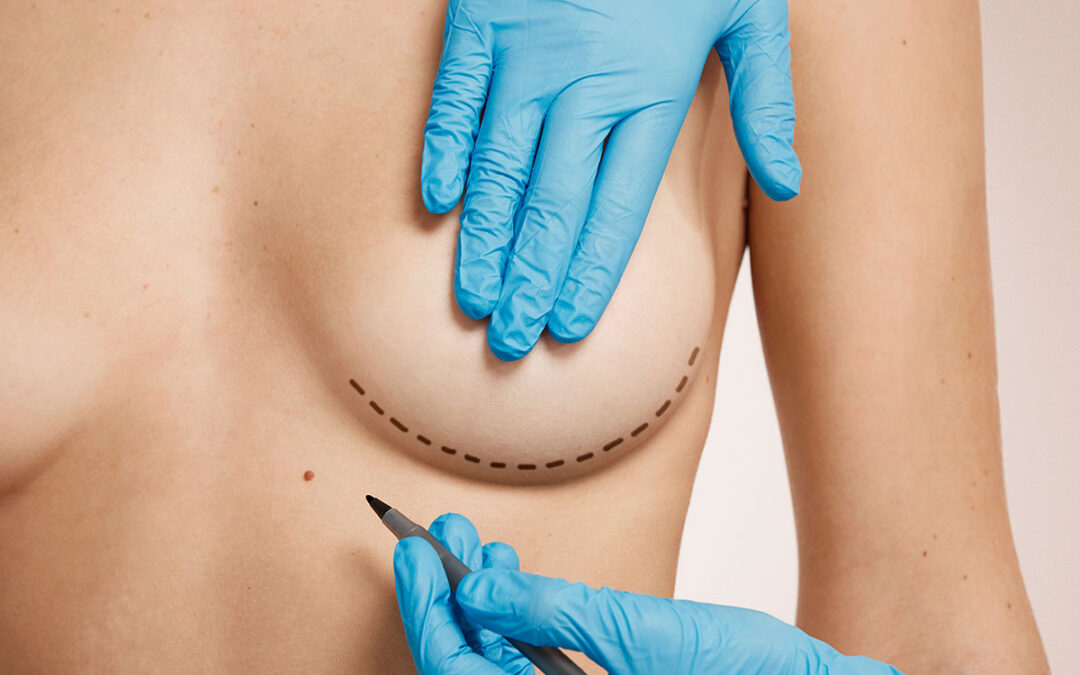
Breast augmentation, sometimes called surgical breast enlargement or a boob job operation, is a procedure that uses a breast implant to enhance breast size, shape, or fullness. Because it’s a surgical procedure, your body will need time to rest and recover afterward. In the first few days after surgery, it’s common to feel sore, tired, tight, or swollen. Your chest may feel heavy or firm, and your upper body may feel stiff. Some patients notice bruising, temporary numbness, tingling, or sensitive skin around the breasts, nipples, or incision area. These side effects are usually part of normal healing, but your care team will explain which symptoms are expected and which need attention. You will need someone to drive you home and stay with you during the first part of your recovery. Anesthesia can leave you groggy, and simple tasks may be harder for a few days. This is the time to rest, hydrate, take short, gentle walks, and follow your surgeon’s instructions closely.Breast Augmentation Recovery Week by Week
A breast augmentation recovery week-by-week timeline can help you understand what may happen during each stage. Remember that this is a general guide. Your timeline may vary based on your procedure, implant placement, overall health, and your surgeon’s specific recommendations.First 24 to 48 Hours
The first day or two is usually when you feel the most discomfort. Pain may include soreness, tightness, pressure, or muscle cramping in the chest. If your implant is placed beneath the chest muscle, recovery may involve more tightness or muscle soreness early on. Your surgeon may prescribe pain medication or recommend over-the-counter options. Take all medications exactly as directed. You may also be instructed to wear a surgical support garment or breast augmentation recovery bra right away. During this stage, rest is essential. Avoid lifting, bending, reaching, or using your upper body more than necessary. Short, gentle walks around your home may be encouraged to support circulation, but this is not the time for exercise.Days 3 to 7
During the first week, swelling and bruising may still be noticeable, but many patients feel better each day. Your breasts may sit higher on the chest at first. This is normal and usually improves as the breast tissue relaxes and implants begin to settle. You may still need help with household tasks, childcare, driving, or lifting. Avoid raising your arms above your shoulders unless your surgeon says it is okay. Also, avoid heavy lifting, strenuous movement, and anything that strains the surgical site. If you work at a desk or have a low-activity job, your surgeon may clear you to return within several days to a week. Physically active jobs may require more time off.Weeks 2 to 3
By the second and third weeks after surgery, many patients feel more comfortable and can resume more daily activities. Swelling should begin to reduce, though your breasts may still feel firm, tight, or sensitive. You may still wear a post-op bra or support garment. Some patients transition to a soft, non-underwire bra with front closure support, depending on their surgeon’s instructions. A front closure bra is often easier to manage when arm movement is limited. Light walking is usually encouraged, but upper body workouts, cardio, heavy lifting, and chest exercises should still be avoided unless your surgeon clears you.Weeks 4 to 6
For many patients, weeks four through six bring noticeable improvement in comfort and mobility. Swelling and bruising often continue to fade, and implants may begin settling into a more natural position. Your surgeon may allow you to return to normal activities gradually, including some types of exercise. However, chest-focused movements and intense upper body training may still be restricted. Always follow your surgeon’s timeline rather than pushing ahead too quickly. By the end of this stage, many patients feel close to normal, although the full healing process may continue beyond six weeks.Months 2 to 6
Long-term healing continues after the early recovery window. Your breasts may continue to soften, settle, and take on their final shape over several months. Scars may also fade gradually with proper care. This is why patience is important. Your early results are not always final. Swelling, tightness, and implant position can change as your body heals.How Painful Is Breast Augmentation Recovery?
The answer depends on the person and the procedure details. Some describe the discomfort as pressure, tightness, or soreness rather than sharp pain. Others may feel more intense discomfort during the first few days after surgery. Pain type can vary based on implant placement, size, surgical technique, and individual tolerance. Recovery after breast augmentation under the muscle may involve more muscle soreness than placement above the muscle. Pain is usually most noticeable during the first several days and often improves during the first week. Pain medication may be used early on, and many patients transition to over-the-counter relief as directed by their surgeon. Pain that worsens suddenly, feels severe, occurs with fever, or is accompanied by unusual swelling, redness, or drainage should be reported to your surgical team.Breast Augmentation Tips for Recovery
Your surgeon will provide personalized post-op instructions, but these breast augmentation recovery tips may help support a smoother experience:- Follow all aftercare instructions carefully. This includes medication timing, incision care, activity restrictions and follow-up appointments.
- Wear your support bra as directed. A breast augmentation recovery bra helps support your breasts, reduce swelling and protect healing tissue.
- Sleep on your back with your upper body propped up. This can help reduce swelling and keep pressure off the surgical site.
- Take short, gentle walks. Light movement may support circulation and help reduce the risk of complications, but avoid strenuous activity until cleared.
- Stay hydrated and eat nourishing foods. Protein-rich meals, water and balanced nutrition can support your healing process.
- Avoid smoking and alcohol. Both may interfere with healing and should be avoided according to your surgeon’s guidance.
- Do not rush your recovery. Feeling better does not always mean your body is ready for exercise, lifting or normal activity.
What to Wear After Surgery
The right clothing can make boob job recovery more comfortable. In the early days after surgery, choose loose, soft clothing that opens in the front. Button-up shirts, zip-up hoodies, and loose pajama tops are often easier to put on than clothing pulled over your head. Your surgeon may provide or recommend a surgical bra. In many cases, patients are told to avoid underwire bras during early healing. A soft, supportive bra with front closure may be easier to put on and take off while your upper body is sore or restricted. Do not choose bras based only on appearance during recovery. Support, comfort, and your surgeon’s instructions matter most.When Can You Return to Normal Activities?
Your return to normal activity depends on your healing, the type of work you do, and your surgeon’s guidance. Many patients can return to light daily activity within a few days. Desk work may be possible within about a week for some. More active jobs may require additional time. Exercise, heavy lifting, and upper body workouts often need to wait several weeks. Avoid lifting children, carrying heavy grocery bags, intense housework, and strenuous workouts until your surgeon clears you. Returning too soon can increase swelling, discomfort, and risk of complications.Potential Complications to Watch Out For
Some swelling, bruising, tightness, and temporary changes in sensation are expected side effects after breast augmentation. However, certain symptoms should be reported to your surgeon. Contact your care team if you notice worsening redness or warmth, fever, pus-like drainage, severe pain, sudden swelling, shortness of breath, or if one breast becomes dramatically more swollen than the other. These symptoms may signal infection, bleeding, or another issue that needs medical attention. Long-term complications are less common but can include implant shifting, capsular contracture, ongoing discomfort or changes in breast shape. Chronic pain isn’t considered a normal part of recovery and should always be discussed with your surgeon.Factors That Affect Recovery Time
The recovery time for a breast augmentation is not the same for everyone. Factors that may affect recovery include:- The type and size of breast implant used
- Whether the implant is placed over or under the muscle
- Your body’s natural healing response
- Your overall health
- Your activity level before surgery
- How closely you follow post op instructions
- Whether another procedure is performed simultaneously
- The experience and technique of your surgeon